• SYD (--:--:--)
  • NYC (--:--:--)
  • LDN (--:--:--)
  • DXB (--:--:--)
Why the Biggest Event in the Room Is Rarely the Most Memorable One

Consumers today are navigating more content, more choices, and more brand messaging than at any other point in history – and most of them have a folder in their inbox that proves it. A polite graveyard for brand communications, containing approximately 4,000 unread EDMs, buried with the best of intentions.

11 Apr '26

Why the Biggest Event in the Room Is Rarely the Most Memorable One

Consumers today are navigating more content, more choices, and more brand messaging than at any other point in history – and most of them have a folder in their inbox that proves it. A polite graveyard for brand communications, containing approximately 4,000 unread EDMs, buried with the best of intentions.

In that context, attention is no longer the challenge — retention is. Brands are not just competing to be seen, but to be remembered. And increasingly, the environments where memory is formed are not the loudest ones, but the most considered.

More guests, more spend, more spectacle — but not necessarily more impact. Here’s why the smartest brands are trading large-scale activations for smaller, more intentional experiences, and getting better results for it.

So the question isn’t how to make more noise. It’s how to make the right kind.

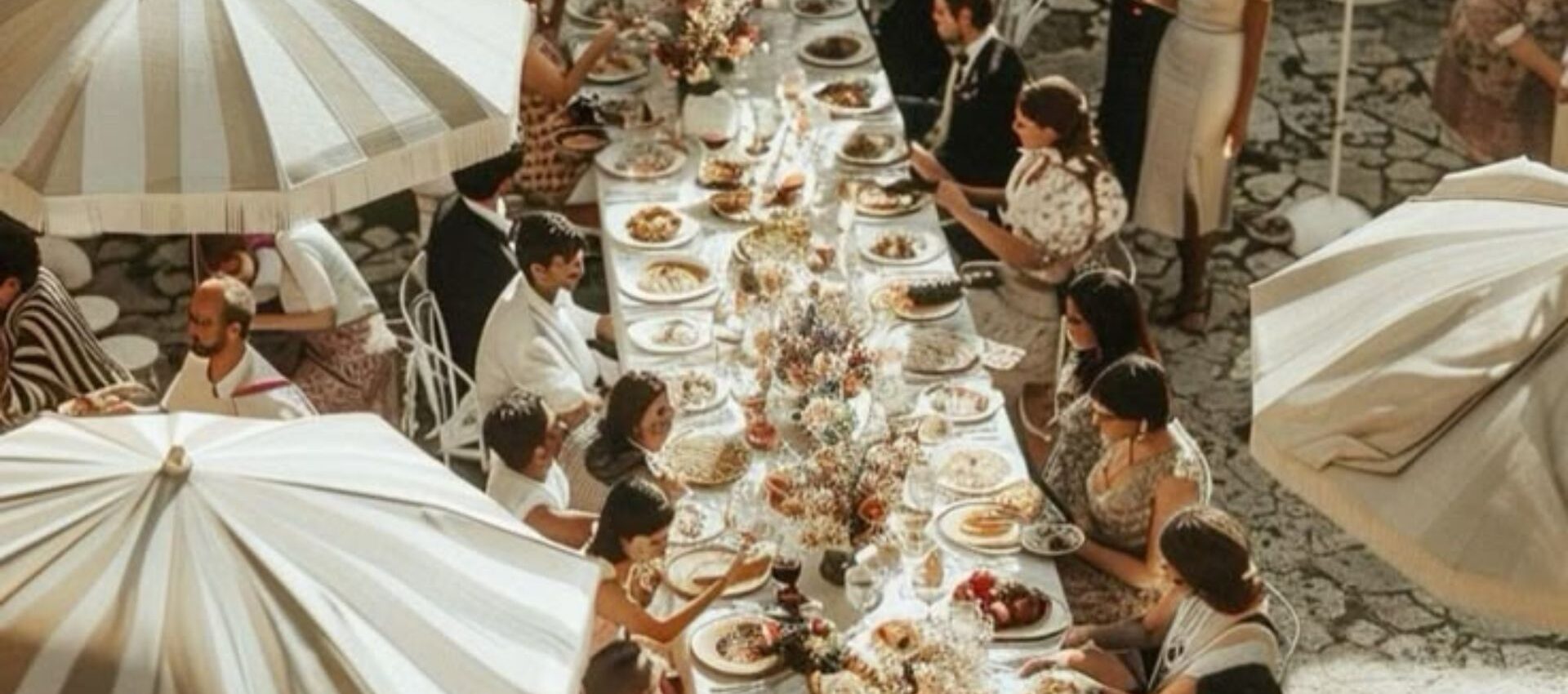
In a market this saturated, scale is not the flex it used to be. When a brand asks me how to make a genuine impact, I almost never suggest doing more. I suggest doing less, better, and for considerably fewer people.

Because the reality is, most large-scale events are designed to be impressive in the moment — not necessarily effective over time. They generate content, yes. But not always connection.

Experiential events agency Sydney delivering Moroccanoil’s Treatment Mist launch through intimate media and KOL event production.
Moroccanoil

Treatment Mist Event

Birkenstock

250th Celebration Event

The case for the micro-experience

The case for the micro-experience

There’s a shift happening right now in experiential marketing, and it’s running in the opposite direction to what most brand budgets would suggest. The instinct, historically, has been to “go big or go home”. But bigger is no longer the same thing as better.

What we’re seeing instead is the rise of micro events — smaller, highly curated experiences designed not for mass visibility, but for meaningful engagement. These are the rooms where brand perception is actually shaped, not just broadcast.

Consumers are sceptical in a way they weren’t five years ago – of brand messaging, of partnerships that feel transactional, of anything that reads like it was produced for an algorithm rather than an actual person. What cuts through that scepticism isn’t spectacle. It’s specificity.

A small, considered event is proving to be one of the most effective ways to build authentic relationships and cultivate the kind of loyalty that a stadium-sized activation, for all its production value, can rarely achieve.

And importantly, these experiences don’t end when the room clears. They extend outward — through content, through word-of-mouth, through the kind of endorsement that can’t be bought.

The Power of Personalisation

The Power of Personalisation

At a large-scale event, personalisation is largely a gesture — the event itself is engineered for volume, not intimacy. Micro-experiences allow every detail to be calibrated to the specific people in the room: what they care about, what would resonate, what would make them feel genuinely considered rather than generically welcomed.

This level of calibration is what transforms an event from something attended into something remembered.

In a climate where consumers are more attuned than ever to the difference between authenticity and performance, that calibration isn’t a nice-to-have. It’s the whole strategy.

It’s also what drives content that feels organic rather than orchestrated — the kind of content that performs because it reflects a real experience, not a staged one.

Fostering Genuine Connection

Fostering Genuine Connection

Relationships aren’t built in a crowd — they’re built in conversation. At a micro-event, every attendee has real access: to founders, to brand representatives, to each other. That kind of access creates trust in a way that a produced, large-scale experience simply cannot manufacture, no matter the budget.

And in an era where trust is currency, that distinction matters.

The brands building genuine community right now — the ones with the kind of loyalty that survives a bad review cycle or a competitor launch — are almost always the ones that invested early in real rooms with real people.

Not just visibility, but proximity.

Cost-Effective with High ROI

Cost-Effective with High ROI

“Micro” does not mean minor. Done well, a small activation costs significantly less than a large one and delivers a far higher quality of engagement. Instead of spending to impress hundreds, you invest in the right few: founders, editors, long-term customers, key voices in your space. People who leave with something to say, and an audience that trusts them to say it.

From a brand activations and PR perspective, this is where return on investment becomes more measurable — not just in reach, but in relevance.

The ripple effect from a well-executed micro-experience tends to outperform the broad reach of a large event precisely because it earns genuine advocacy rather than passive attendance. Exclusivity, when it’s real rather than manufactured, creates the kind of FOMO that no paid campaign can replicate.

Where Large-Scale Events Still Have a Role

This isn’t to suggest that scale has no place.

Large-scale events still work — particularly when the objective is mass awareness, retail theatre, or major brand moments. They create visibility and can signal dominance in a category.

But increasingly, they work best when paired with something more intimate.

A layered approach — where a large moment is supported by smaller, more targeted micro events — is where the strongest strategies are emerging. One builds awareness. The other builds belief.

The bottom line

The era of shouting to be heard is over – or at least, the returns on it are diminishing fast. The brands cutting through right now are the ones whispering to the right people, in the right rooms, with enough intention that those people actually listen.

Because ultimately, people don’t remember scale.

They remember how something felt — and who they were in the room when it happened.

If that sounds like the kind of thinking you want behind your next activation, you’re probably ready for a conversation. Check in with us here.


Latest Stories

Back to News